Instead of organizing one large global conference, we want to encourage the organization of smaller, more regional events under the umbrella of the GCS to facilitate opportunities to address the individual needs of different world regions in the sustainable development context. By gathering the outcomes of such individual, regional events, we would like to ensure the inclusion of diverse opinions in an international discussion, that is set to be held in a regular follow-up at the biennial IUPAC World Chemistry Congress. Such meaningful inclusion can only be achieved by the active engagement of the chemistry community worldwide.
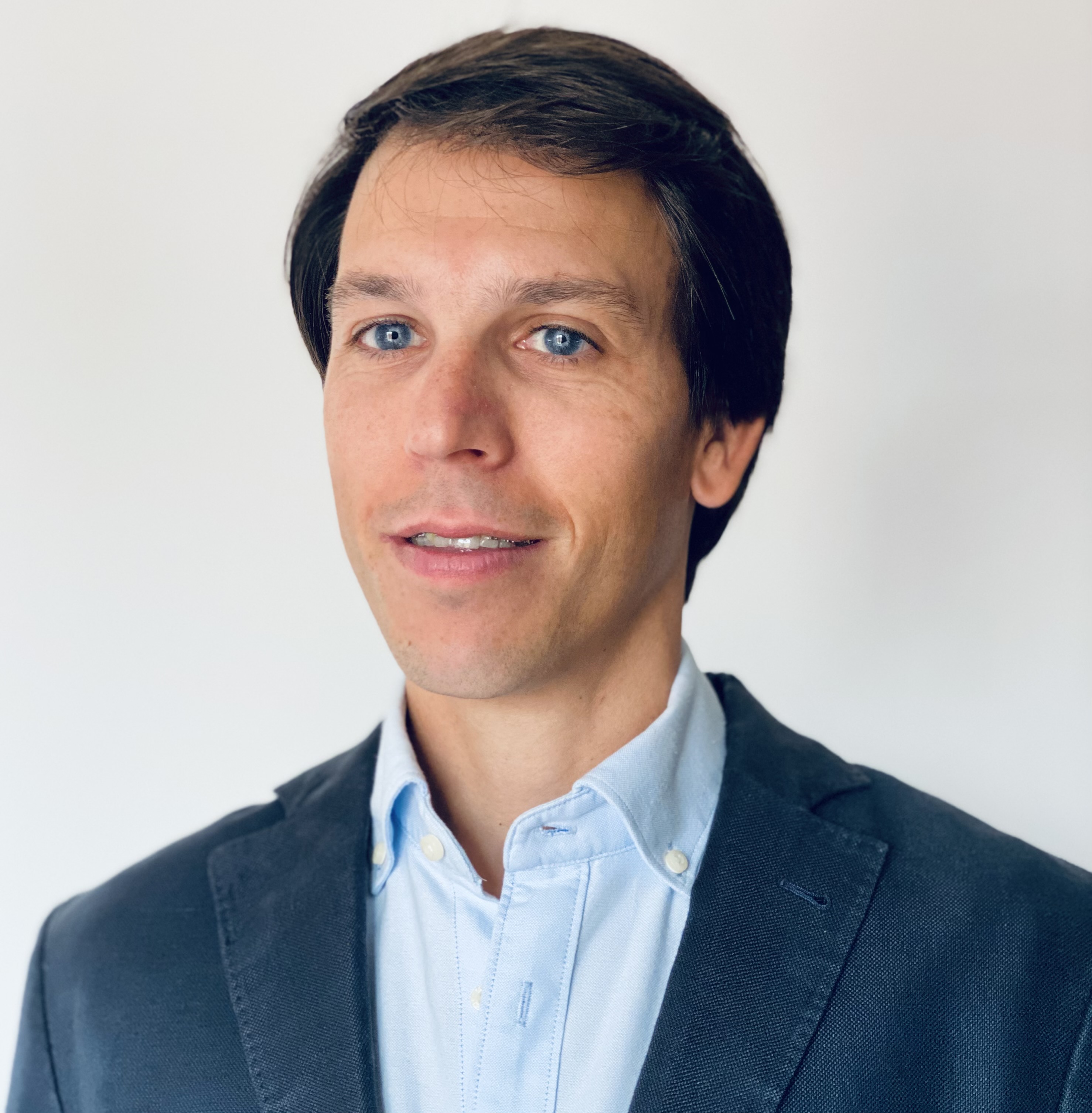
Dr. João Borges is a Senior Researcher in the Department of Chemistry at the University of Aveiro, Portugal. He received his PhD in Chemistry from the University of Porto. His research focuses on the molecular design, synthesis and development of soft supramolecular multicomponent biomaterials to interface with living systems. João is a recipient of the IUPAC Periodic Table of Younger Chemists award (Rubidium) and an Affiliate Member of IUPAC. He serves on the Executive Board of the International Younger Chemists Network (IYCN) since 2019. He is the Chair of the IYCN.
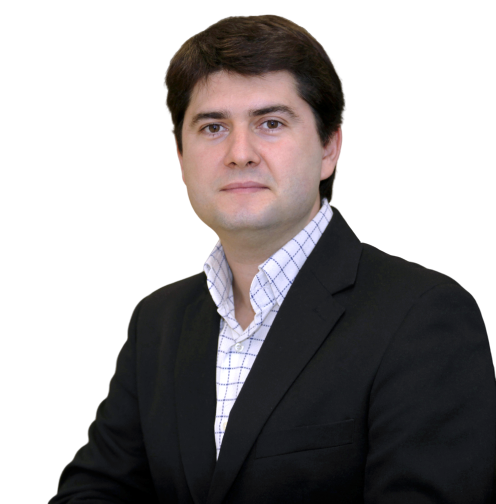
Dr. Javier García Martínez is Professor of Inorganic Chemistry at the University of Alicante, Spain. His research focuses on nanomaterials for energy applications. He has published extensively on sustainable chemistry, including the book “The Chemical Element” (Wiley-VCH, 2011). He is the founder of Rive Technology, a company that commercializes his catalysts, which significantly reduce CO2 emissions in various chemical processes. In 2006, Javier joined IUPAC as Associate Member of the Division of Inorganic Chemistry and served as member of IUPAC Bureau and Executive Committee. He is the current President of IUPAC.
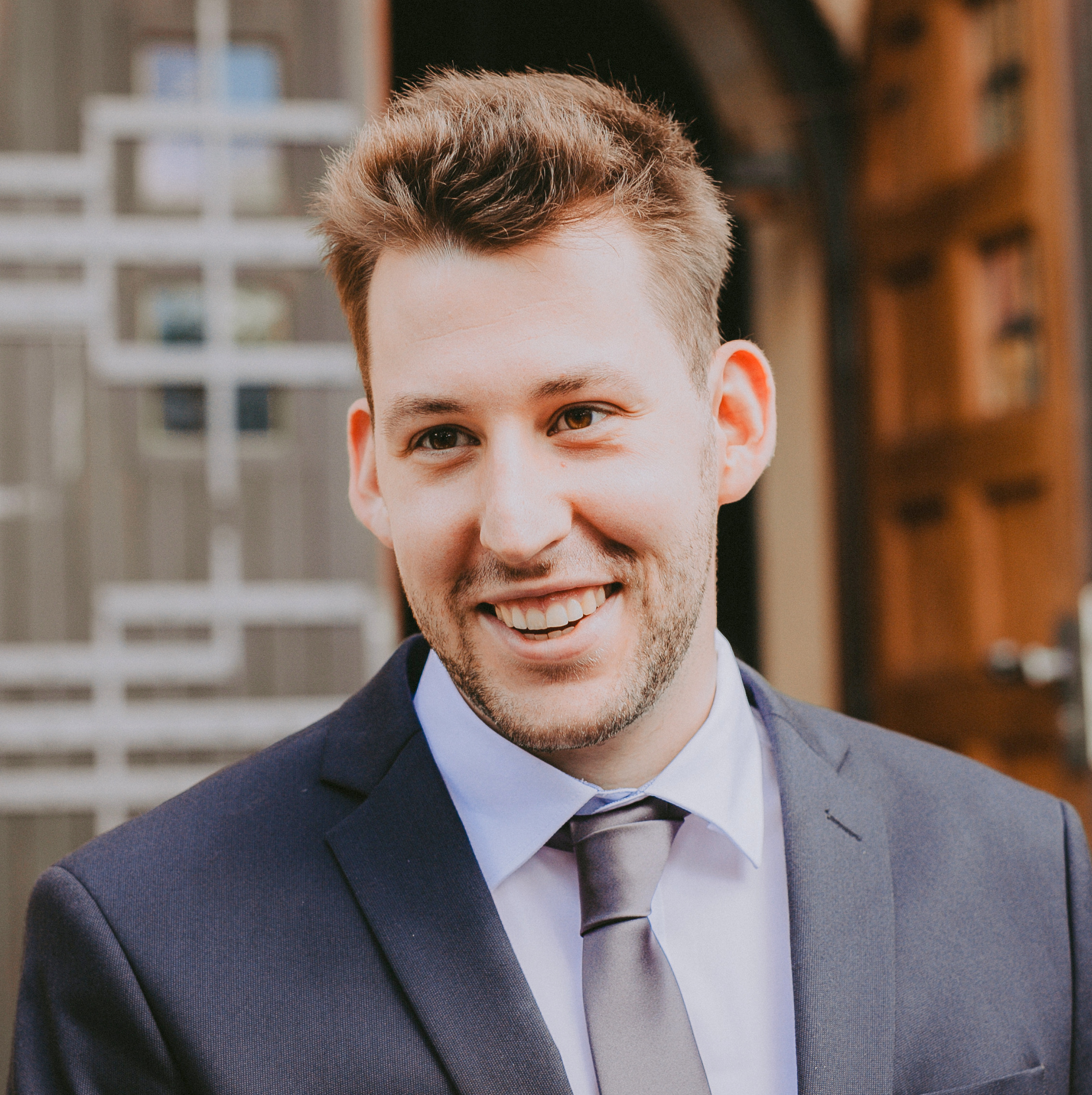
Emiel Dobbelaar is a PhD candidate at the Technical University of Kaiserslautern, Germany. His research focuses on bioinorganic model complexes, proton-coupled electron transfer, as well as spin-crossover materials. Emiel serves as Executive Board Member and Public Outreach Committee Leader at the International Younger Chemists Network (IYCN), as coordination committee member of the Chemicals & Waste Youth Platform of the UNEP Major Group for Children and Youth (UNEP MGCY) and is the immediate Past-Chair of the German Young Chemistry Forum (JCF) of the German Chemical Society (GDCh).
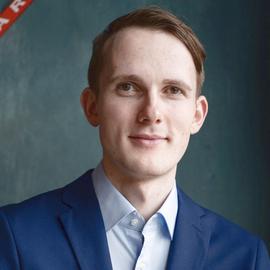
Dr. Torsten John is a Researcher in the Department of Biological Engineering at the Massachusetts Institute of Technology (MIT). He received his doctorate summa cum laude from Leipzig University, where he investigated aggregating peptides on nanoparticle and membrane surfaces. His current research focuses on the self-assembly of DNA nanomaterials and is supported by a Feodor Lynen Research Fellowship from the Alexander von Humboldt Foundation. Torsten is currently the Chair-Elect of the International Younger Chemists Network (IYCN).
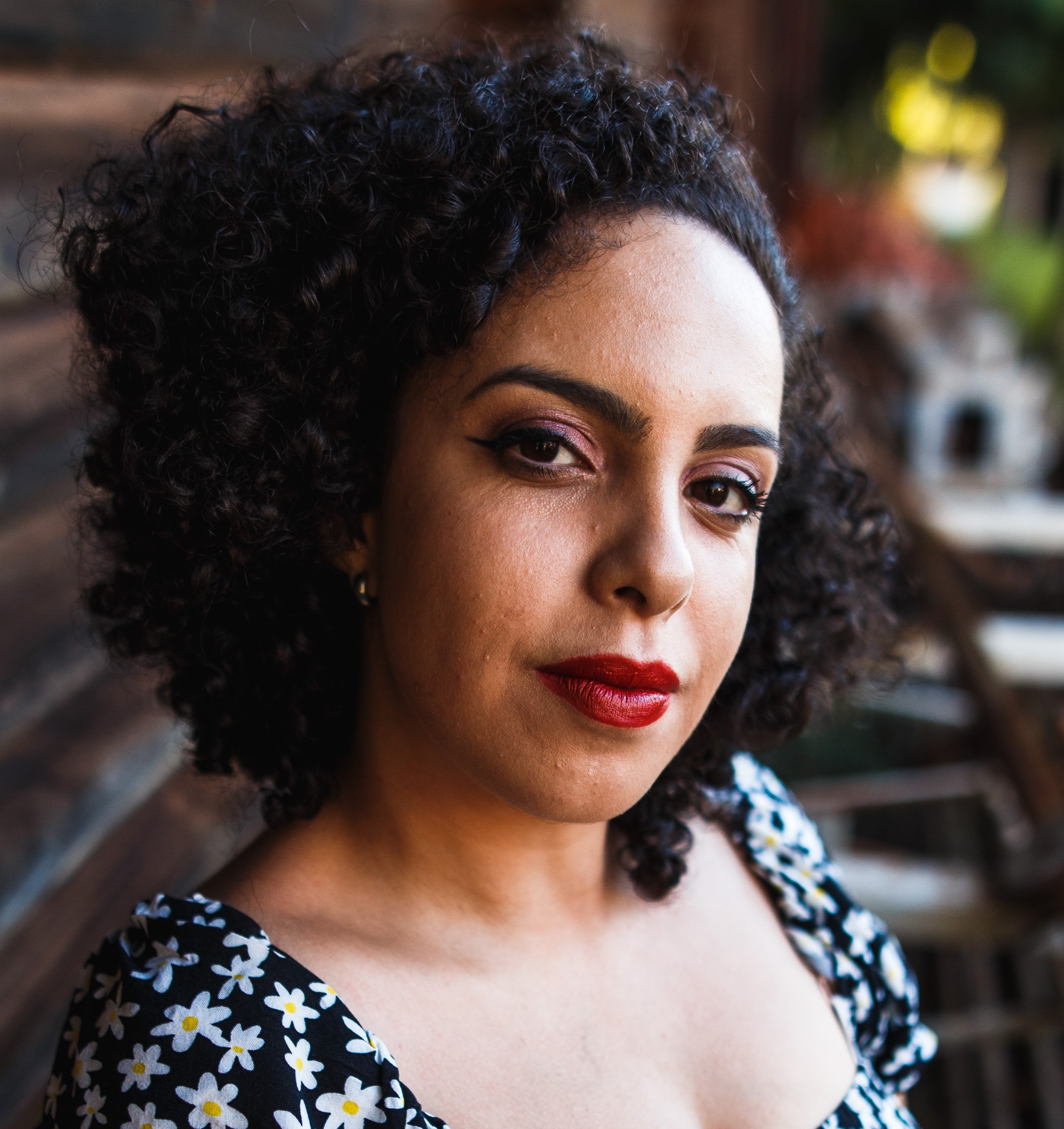
Carolina Sotério is a Chemist, specialist in Science Journalism and PhD candidate in the field of Public Communication of Science and Technology at the University of São Paulo (USP), being Founder and Former-President of the first American Chemical Society (ACS) Student Chapter in Brazil, focused on science outreach. She is member of the International Younger Chemists Network (IYCN), working on the Public Outreach Committee since 2021.
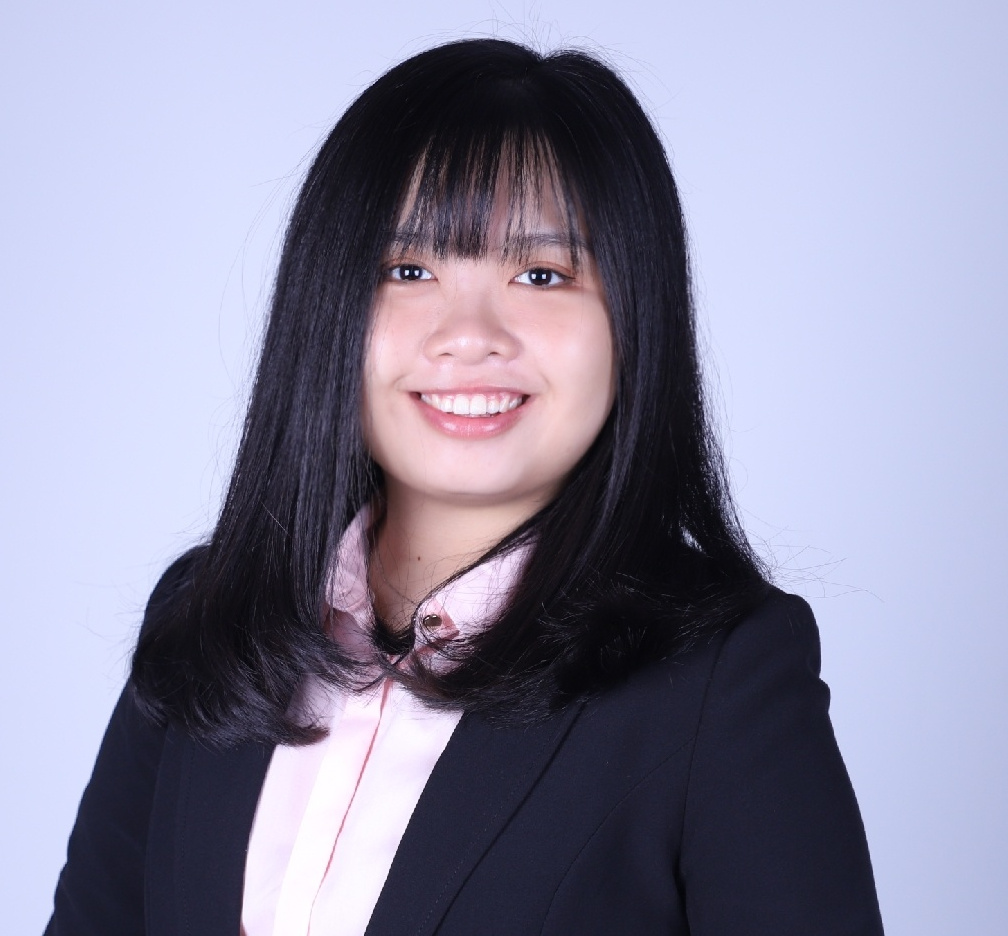
Dr. Yvonne Choo is an Assistant Professor at Xiamen University Malaysia. Her research focuses on the design and development of new smart materials for use in, but not limited to, 4D-Printing and energy applications. Yvonne is a recipient of the IUPAC Periodic Table of Younger Chemists award (Bohrium). She serves the Malaysian Institute of Chemistry (IKM) as a co-opted council member (2022/2023), the International Younger Chemists Network (IYCN) as a Malaysian Delegate and a member of the Public Outreach Committee, and IUPAC as the national representative of CHEMRAWN and a young observer of the Polymer Division.
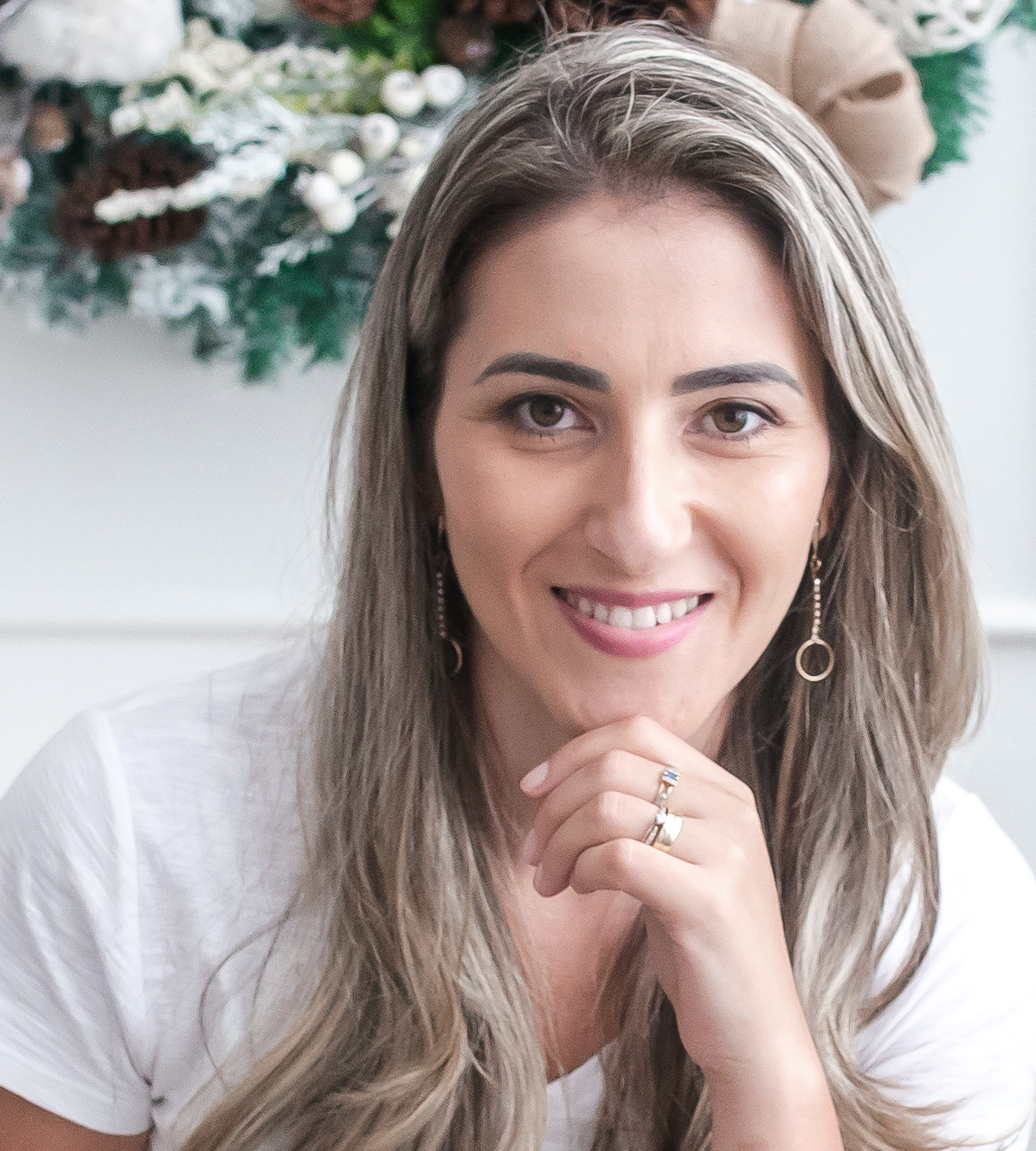
Dr. Vanessa Nascimento is an Adjunct Professor at Universidade Federal Fluminense, Brazil. Her research group focuses on the design and synthesis of compounds functionalized with organochalcogens, and supramolecules for several applications. She serves on the Younger Researchers of the Brazilian Chemical Society (JP-SBQ) and Latin American Network of Young Scientists working in Chemistry (LANYSC) since 2020 and on the Women's Office SBQ (Media Committee) and the International Younger Chemists Network (Public Outreach Committee) since 2021.
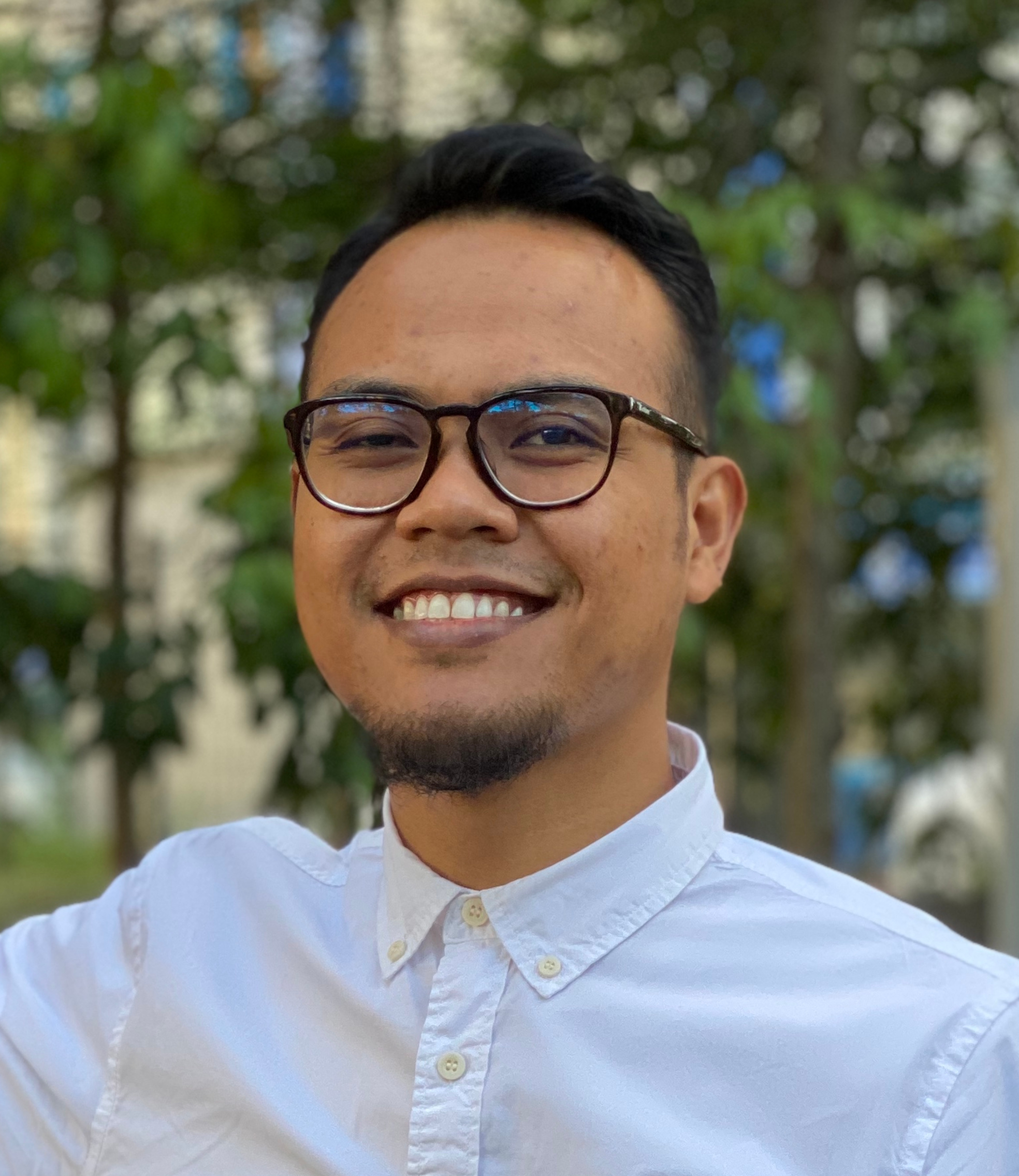
Dr. Shahrul Ahmad is a Senior Lecturer at the Universiti Teknologi MARA (UiTM), Malaysia. He works on the synthesis of new ligands and metal complexes as well as their catalytic and biological activities. Shahrul is a recipient of the PhosAgro/UNESCO/IUPAC Research Grant in Green Chemistry for Young Scientists 2021 and an Affiliate Member of IUPAC. He is Co-Leader of the Public Outreach Committee and Executive Board member of the International Younger Chemist Network (IYCN), and active in the Young Scientist Network-Academy of Sciences Malaysia (YSN-ASM) and the Malaysian Young Chemist Network (MYCN).
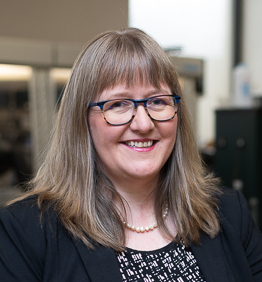
Dr. Francesca Kerton is a Professor of Green Chemistry at Memorial University of Newfoundland, Canada. Her current research group is focused on developing environmentally friendly ways to transform carbon dioxide, renewable molecules and materials, and produce ‘green’ polymers. She received the Canadian Green Chemistry and Engineering Award in 2019. She is chair of the Canadian-National Committee for IUPAC and IUPAC's standing committee on Chemical Research Applied to World Needs (CHEMRAWN).
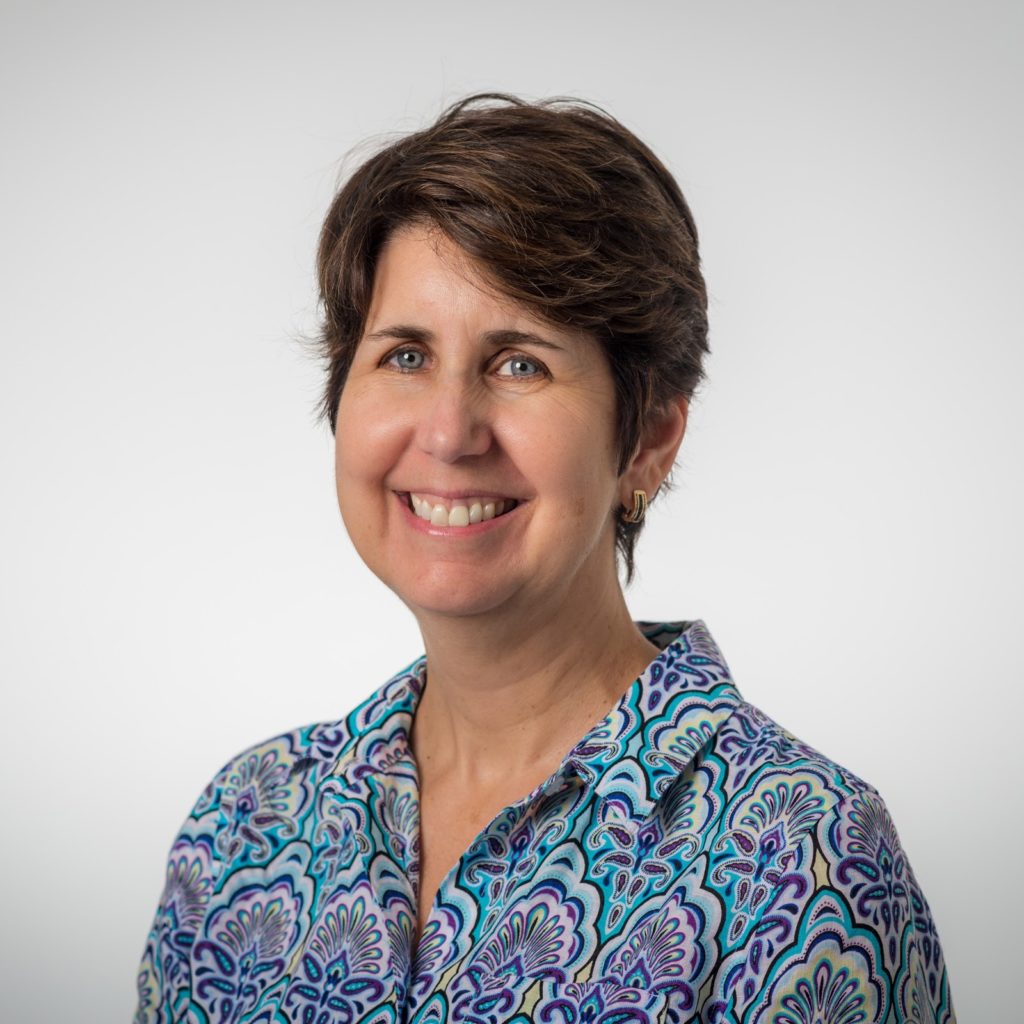
Dr. Laura McConnell is an analytical chemist currently serving as Principal Scientist in the Regulatory Scientific Affairs department of Bayer CropScience in St. Louis, Missouri, USA. Laura has served as President of the Chemistry and the Environment Division of IUPAC. She has received awards for her research including the Presidential Early Career Award for Scientists and Engineers and was appointed Fellow of the American Chemical Society. Laura is Co-Chair of the IUPAC Global Women's Breakfast.
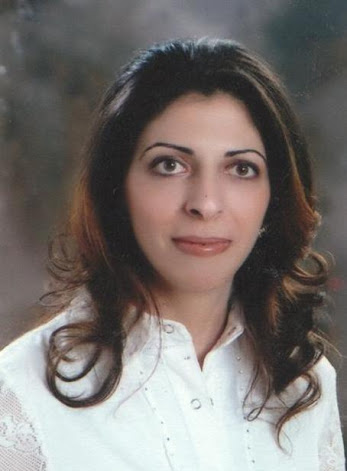
Dr. Ramia Al Bakain is a Full Professor in the Department of Chemistry at the University of Jordan. Her research focuses on the impact of using analytical chemistry for developing new green methods in water-agriculture-food security, green technique for wastewater treatment, and sustainable application in saving natural resources. Ramia is a recipient of the IUPAC Periodic Table of Younger Chemists award (Aluminum) and an Affiliate Member of IUPAC. She serves as a member of the Public Outreach Committee at the International Younger Chemists Network (IYCN).
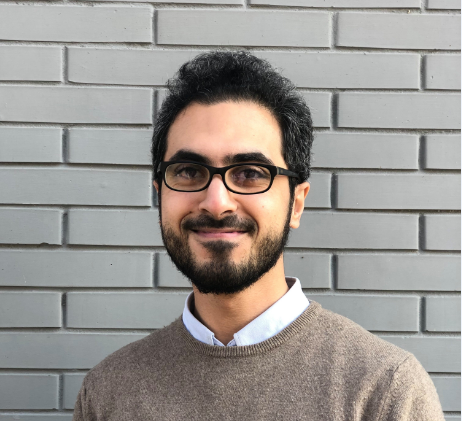
Hossny Ismail studied chemistry in Egypt. In 2015, he moved to Europe to study a joint master's degree in chemistry and materials science in which he did research on photo-redox catalysis and flow chemistry. Afterwards, Hossny joined The Dow Chemical Company as a Technical Service & Application Development Specialist. Hossny is currently leading the spray polyurethane foam development in the EMEAI region. Alongside academics, Hossny co-founded an international student chapter of the American Chemical Society at Alexandria University and he is a member of IYCN's Public Outreach Committee.
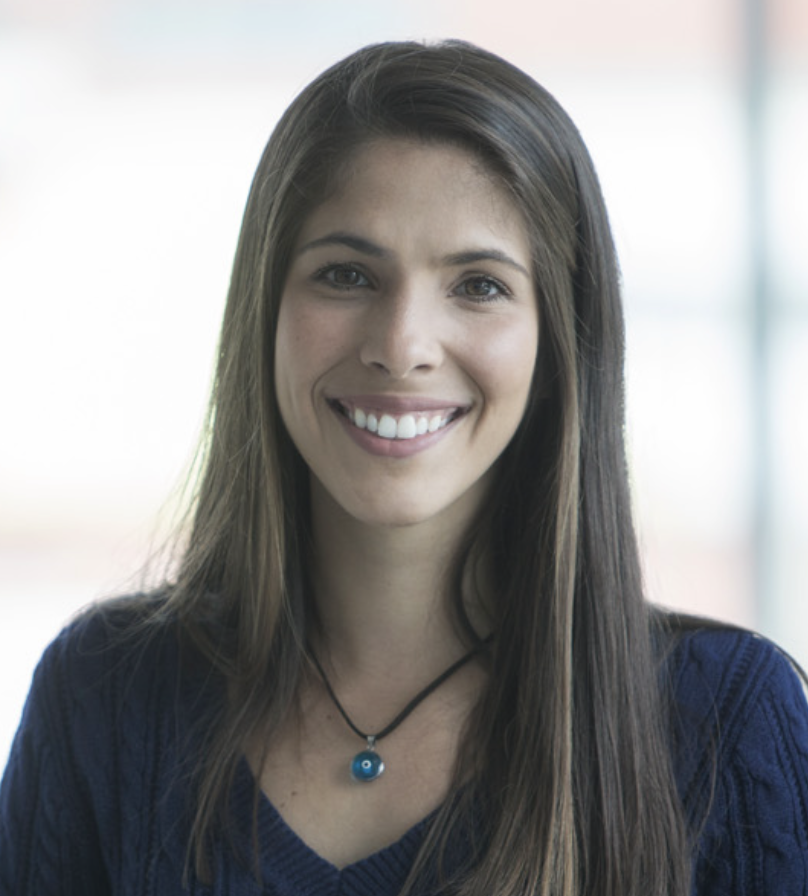
Dr. Juliana Vidal received her PhD from Memorial University of Newfoundland (Canada) in 2021 under the supervision of Prof. Francesca Kerton and Prof. Stephanie MacQuarrie, and has been selected a Chemical Abstracts Service (CAS) Future Leader in 2020. Currently, Juliana is a Postdoctoral Researcher at McGill University (Canada) under the supervision of Prof. Audrey Moores, Postgraduate Student Liaison for the non-profit Beyond Benign, and a coordination committee member of the Chemicals and Waste Platform of the United Nations Environment Programme Major Group for Children and Youth (UNEP MGCY).
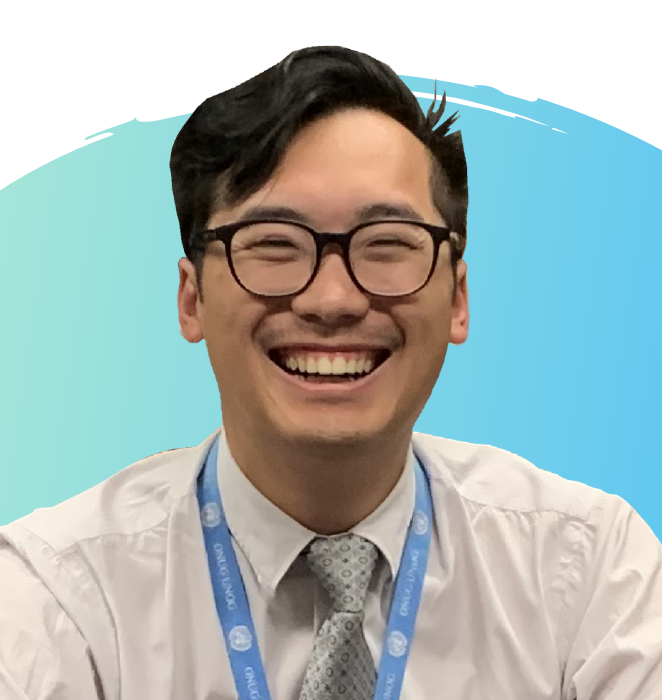
Dickson is a Global Environment Facility Consultant at the United Nations Environment Programme. He helps to implement the GEF Implementing Sustainable Low and Non-Chemical Development in SIDS (ISLANDS) project, working on the reduction and prevention of hazardous chemicals and waste through policy, safe disposal, e-waste recycling systems, and knowledge management across the region. Dickson is the Coordinator for Chemicals & Waste Platform of the Children and Youth Major Group to UNEP and sits on the Australian Youth for International Climate Engagement Working Group.
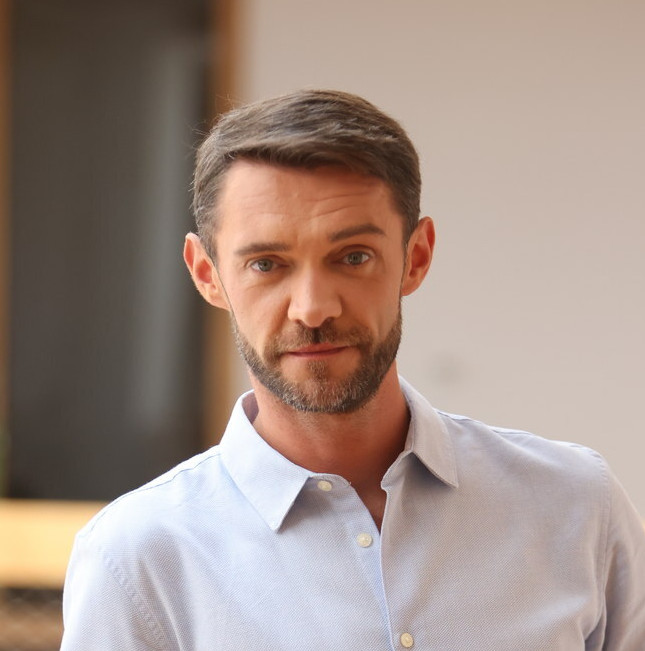
Dr. Wojciech Pajerski is a Postdoctoral Researcher at the InnoRenew CoE, Andrej Marušić Institute, University of Primorska, Slovenia. His research focuses on engineered living materials and functional material interfaces. He is actively involved in European research projects developing new solutions for green and sustainable building materials and technologies. His research interests include microorganism-surface interactions and the integration of sustainability principles into advanced material development. Within the Global Chemists for Sustainability initiative, he contributes to communication and dissemination activities through the development of the project website.